
Author – Masha
Week Four – Got deet?
June 2019
In the past three weeks, we have easily covered 1000 new words and completed 14 lessons. This week, we had our midterm, which went well. In addition to this, we covered several more lessons… We also had several interesting opportunities this week. On Tuesday, the health PhD students had another opportunity to accompany the University of Pittsburgh students on a field trip. On this field strip we went to a health center and accompanied home visits, two hours further east. (So in total, almost three hours east of Tena.) The reason the health PhDs in the Quichua classes have been invited on these two field trips is because they have included a substantial Quichua-language component.
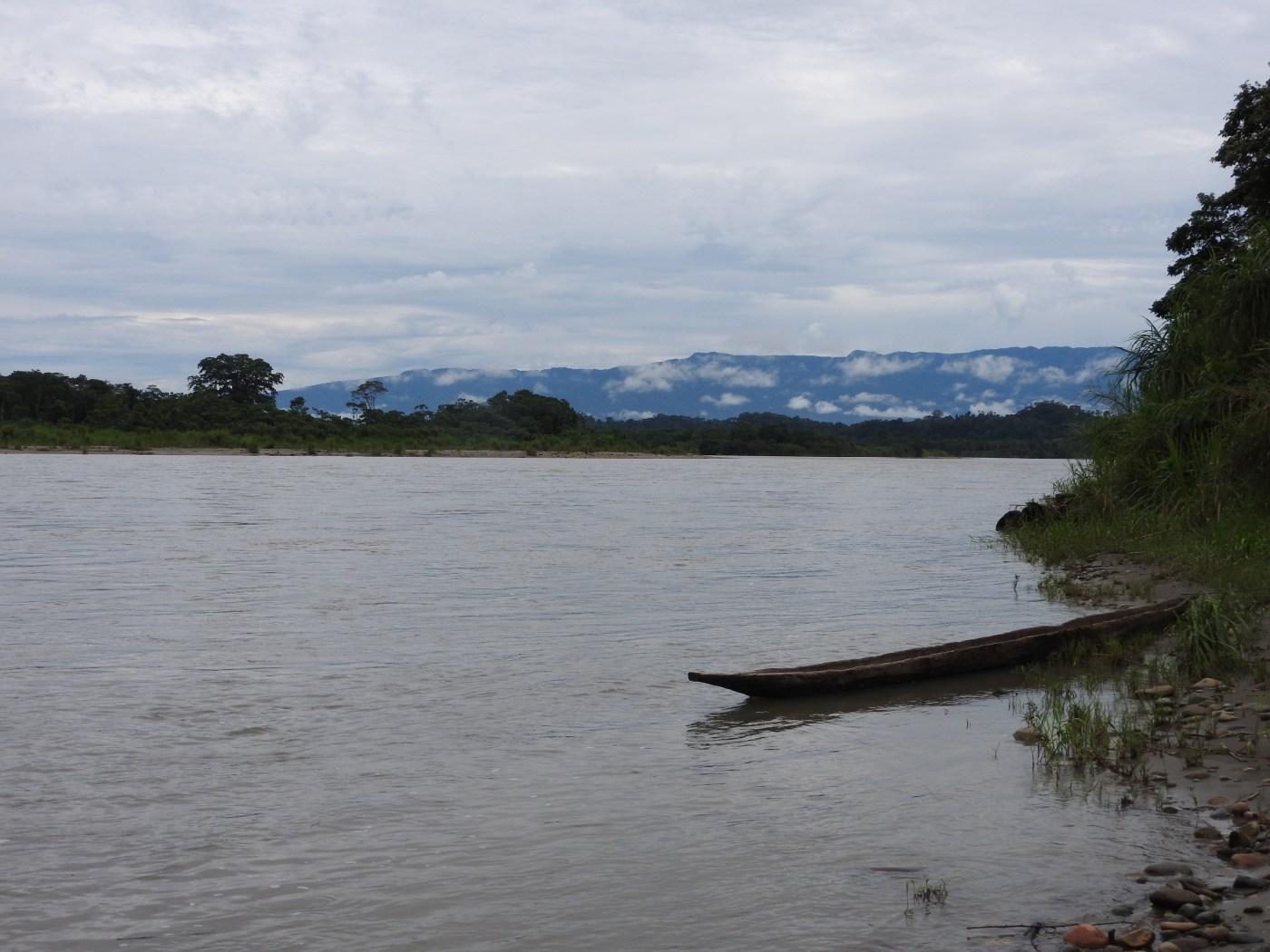
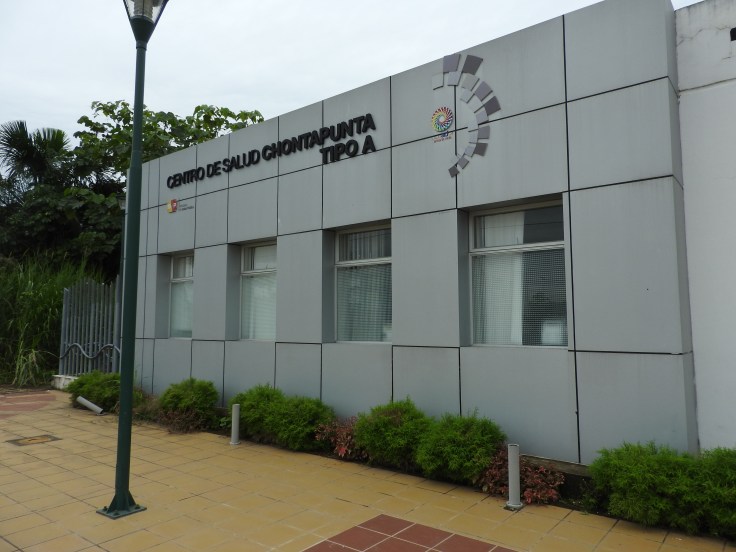
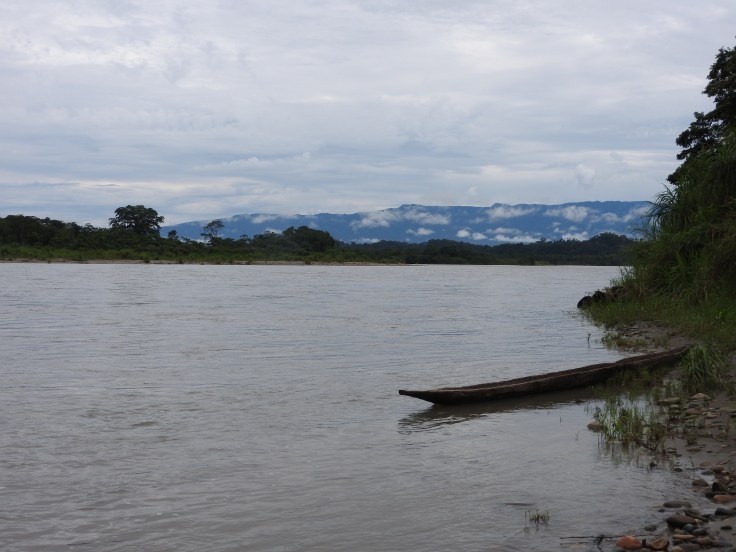
This field trip was an incredible experience, and I am grateful for the opportunity. Within 20 minutes of driving east, the road shifted from concrete to mud and gravel, we traversed slowly for another hour, until we reached pavement again and soon arrived at the clinic, called the ‘Chontapunta Subcentro Tipo A’. After receiving a brief synopsis of the role of the clinic, the types of cases seen at the clinic, and how they identified the people that needed home visits; we heard more about the role of the TAPS (Técnicos en Atención Primaria en Salud). Then, we accompanied a doctor and medic on four of their home visits. Obviously, for the sake of privacy and the dignity of the families, I will not discuss their cases. It was interesting to meet the families and discuss with them their perceptions of the Ecuadorian healthcare system (there were major reforms done in the last 10 years), and how they accessed care when Spanish was not their main language. One of the families we visited was only accessible via boat. Thus, we had to drive to a small port, cram into a longboat with lifejackets, and go to an island. The family told us that when they needed healthcare it often involved several hours in the canoe. The compound on the island was quite nice, there was even a daycare.
All of this was nice, and the students were for the most part very respectful. The only thing that rubbed me the wrong way, and this is not a new thing, was the bug-spray dousing. This is two-tired: Firstly, I do not like choking on unnecessary deet. Secondly, we were in someone else’s home and garden. I wonder what the families thought when the students, immediately after visiting them, began drowning themselves in bug-spray. Was it offensive? Did they think it was funny? I did speak up when one of the students starting spraying bug spray a foot away from the family’s open water source…
…
On Monday, Wednesday, and Thursday, we had regular class all day. Part of our classes also included preparing to aid the University of Pittsburgh undergraduate students who taking a Public Health and Anthropology class at the field school (this is the same group with whom I have gone on two field trips). The aid was in translation. The U of Pittsburgh group all obtained IRB approval to conduct their capstone research projects whilst in Ecuador; however, most do not speak any Spanish, and none speak any Quichua. Therefore, the undergraduates were divided into three (or was it four?) groups, each with two graduate students studying Quichua, and one native or advanced Quichua speaker. In order to apply for a FLAS as a graduate student you have to already speak Spanish because most of our classes are taught from Spanish into Quichua. What this all meant was that there were four Pittsburgh students, two FLAS Quichua students, and one Quichua speaker in each group. This exercise was obviously important for the undergrads, but was also helpful for the Quichua students in order to practice questions related to health, stretch our listening skills, and clarify with Spanish when needed. The families were asked questions related to traditional medicine, their perceptions of ‘Western’ medicine, intercultural care (which did not translate very well…), in what situations they use health care, what their experiences have been accessing care as Kichwa speakers and how they were treated by doctors, and their experiences with pre and post-natal care. It was fascinating.
 MFM
MFM 
Leave a comment